
Ten Top Apps for New and Returning Students

Ten Top Apps for New and Returning Students

September is nearing its end, and with October comes crisp breezes, the crunch of leaves underfoot, and – for many – the removal of the rose-coloured University glasses. The infamous Fresher’s Week signifies new friendships, new-found freedom, and the excitement of finally starting a course that you have been looking forward to for years. However, for many new and returning students, the excitement can quickly wear thin, so we at Athena Tuition have put our heads together to find ten of the best apps around for students, to help you through when things get a bit gloomy.


  1. RefMe (available on the web, iOS, and Android): For Working

RefMe is an incredible free app to assist students with referencing essays. For many, referencing to a certain set of (very strict) guidelines can be a daunting new process, but with RefMe the hard work is done for you. Simply scan the barcode of a book or journal (or search by title, DOI, ISBN, or ISSN if using the web application), select your citation style, and RefMe will create a full reference for you. The app is particularly useful for when you’re trawling through the library and want to scan a barcode and store the book in the app library to come back to at a later point. The app takes away some of the stress, ensuring you’re less likely to lose precious marks over a misplaced comma in your reference, and allowing you to focus on nailing your essay.

  1. MealBoard (available for iPhone and iPad): For Living

When people think of University students, one of the unfortunate images that often comes to mind is of beige-coloured, nutrient-devoid food. Often, students arrive at University having rarely needed to prepare their own meals in the past and can, as a result, feel lost or uninspired, and end up resorting to beans on toast or a Pot Moodle. MealBoard combines recipes, meal planning, and grocery management in one app: by entering the items that you have available in your fridge and cupboard, the app can offer recipe ideas. You can also plan your meals for the week, sync between devices, and keep on top of how much you spend on food. Particularly when stressed and staring down the barrel of a three-assignment-gun, this app could be a lifesaver. Put the Pot Noodle down!

  1. GoConqr (available on iOS or Android): For Working

GoConqr is a free app designed to help you study, stay organised, and share items and collaborate with groups. There are many elements to the app, so that there is assistance available for every form of learner. You can either browse existing resources, or create your own; for example, you can create your own mind maps, quizzes, flash-cards, and notes. The app also features a built in calendar and planner to help you keep on top of lectures and assignments. Why have separate apps for planners and revision, when this app combines everything in one?

  1. Scanner Pro (available on iOS): For Working

Fairly self-explanatory, Scanner Pro is an app that allows you to quickly scan and save a digital version of a paper document. If you’re particularly eco-conscious (or you just hate having piles of paper everywhere), this app will allow you to edge your way closer to a paperless life. The app can scan anything from multi-page documents to a tiny receipt, automatically detecting borders and correcting any blurs, distortions, or symmetry issues. It may cost £3.99, but for a scanner that you can fit in your pocket we think that’s a bargain.

  1. Brain in Hand (available on iOS and Android): For Health

Designed to help those with Autism in particular, Brain is Hand is an assistive technology, based on CBT, solution focussed therapy and recovery based rehabilitation, giving users more confidence to work independently. Key features of the app include: a diary and “routine recipes” to help users remember the best way to tackle a particular task; access to coping strategies which are based on answers the user provides when installing the app; an anxiety monitor; a text alert system which send a message to a person of your choice when you urgently need to discuss something with them; and access to a secure site where you can review how you have been doing. The app opens up pathways for students who may struggle more than others, and can help build up their confidence in new situations.

  1. 7 Minute Workout: Seven (available on iOS devices): For Health

If you’re struggling with your new work-laden routine, can’t afford a gym membership, or simply hate exercising in public, this app is ideal. The premise is simple: take seven minutes out of your day to exercise, follow the app’s instructions, and monitor your progress. University can be a wonderful time of exploration, but often it is easy to spend so much time in a darkened library that exercise becomes a thing of the past. However, with Seven you are reminded every day to get up and going for just seven minutes, increase your heartbeat, clear your mind, and move. With over twenty million downloads, it must be doing something right!

  1. Foursquare (available on iOS and Android): For Living

If you have moved away from your hometown for University, you would be forgiven for feeling overwhelmed by the hundreds of new options on offer. Some people are happy to embrace the new, and try new places to see what works for them, but others are happier when they have suggestions tailored to their personal tastes and needs: that’s where Foursquare comes in. The app suggests restaurants, bars, cafes, and attractions based on your tastes and requirements (“a quiet café with plug points” for example). With a huge collection of tips created by other users, you’re in safe hands and can feel more confident when making your new city your new home.

  1. Moovit (available on web, iOS and Android): For Living

Moovit is a free app that helps you to, well, move it. Designed to help you navigate the public transportation systems in a wide range of cities and towns, Moovit makes it easier than ever to get from A to B. Moovit has over 80 million users, and is active in over 1500 cities. Its widespread appeal is testament to its ability to offer peace of mind, easy-to-navigate applications, and clear maps and directions. For students who are struggling with navigating a new city, and trying to get to a lecture in time whilst juggling a dozen bus timetables, Moovit is a blessing. It offers detailed itineraries, real time status, service alerts, alerts for when you need to get off your stop, and also stores your favourite locations.

  1. Monzo (available on iOS and Android): For Spending

Monzo has been at the receiving end of a lot of positive reviews recently, and it is becoming an increasingly popular way for students to monitor their spending. Monzo calls itself ‘the bank of the future’, and it’s easy to see why: this is personalised banking at its best, and all built for your smartphone. Every time you make a payment, Monzo sends you an alert and instantly updates your balance (so no more panicking when delayed payments suddenly cripple your balance). Monzo is the ideal banking app for students who are struggling with keeping a close eye on their finances, and it even offers budget breakdowns – where you can set targets for each category, such as transport and holidays – so that it is easier than ever to keep track of spending. Could this be the best way ever to avoid relying on the “bank of Mum and Dad”? We think it might be!

  1. Headspace (available on iOS and Android): For Health

University is an exciting time, but all too often students are left feeling isolated, anxious, and crippled by pressure and expectation. Headspace is a free app that requires a few minutes of quiet reflection and meditation each day from users, and promises in return to relieve stress, keep you focused, and boost compassion. The app comes loaded with hundreds of themed exercises (anything from self-esteem to sleep), each designed to slot neatly into busy schedules. The straightforward exercises encourage users to learn the basics of good breathing and visualisation, and you are given daily reminders to relax and focus on what’s important.


With countless apps available, it is difficult to narrow the options down to ten apps that we at Athena Tuition think will be most beneficial to students, but what we do think is key is a careful balance between your work, mental and physical health, and general lifestyle.

If you have had great success with these – or any other – apps, please do get in touch to let us know! You can reach Athena Tuition on enquiries@athenatuition.co.uk, or call us on 0208 133 6284. We’d love to hear your thoughts! Happy app-ing, and we hope this coming academic year is full of success for you all.


Image Source: https://cdn.studentloanhero.com/wp-content/uploads/best-budgeting-apps-1-640×304.jpg – accessed 27/09/2017

Summer Tutor Trip: British Museum

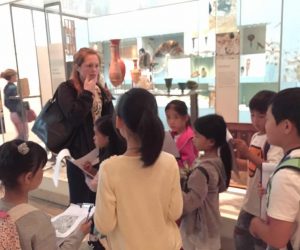
Following from our successful trip to the Natural History Museum in June (which you can read about here), on Saturday 15th July one of our wonderful tutors (Isobel) led a small group of students on an educational, interactive, guided tour through some of the Museum’s rooms.

Isobel’s tour – which lasted just under three hours – was focused on the Museum’s Ancient Egypt rooms, galleries and items. With a varied activity schedule for the visit, Isobel was able to keep the students engaged and entertained as well as encouraging them to be “detectives” and take charge of their own aims for the visit. The students were able to: look at sculptures, look at paintings from the tomb for Nebamun, consider how to use objects to provide information about the past, observe and discuss clothing, think about Egyptian gods, go on an animal hunt, and even draw their own motifs and decorations for pots! To finish the exciting visit, Isobel designed a short quiz for the students which encouraged them to draw on everything they had discussed and learned during the trip.

At Athena Tuition, we are always keen to see students enjoying education away from desks and blackboards. Opportunities such as this guided tour and the activities that Isobel carefully designed can individualise the learning experience and make it far more memorable and exciting. With the summer weeks ahead of us, it is arguably the most important time to stay engaged and actively interested in learning and exploring in order to avoid the dreaded ‘summer learning loss’.

We’re currently in the process of planning similar events for the Summer months. If there is anything in particular that you or your children would be interested in, please do get in touch with  via email or give us a call on 0208 133 6284, and we will be happy to try to arrange something!

Summer Tutor Trip: British Museum

Summer Tutor Trip: British Museum 2

Summer Tutor Trip: British Museum 3

Summer Tutor Trip: British Museum 4

5 tips to Beat Exam and Work Stress

5 tips to Beat Exam and Work Stress

How many people tell you to work hard but at the same time to relax while you are studying for exams, or working on a project at your job?

They mean well, but sometimes this advice is not necessarily constructive, which is why we at Athena Tuition have gathered five key tips to combat stress and anxiety, and maintain task management during work and study, to give you some basic but useful techniques to help manage your workload and keep your head afloat during periods of stress.


Pomodoro Technique

This method, developed by Francesco Cirillo, is a simple and effective way to help you get the most out of your work. The basis of it is working hard and ignoring any distractions for around 20-25 minutes, followed by a short break of a few minutes to take your mind off the work, get some food or water, and the like. After that, work for another 20-25 minutes and repeat the cycle. Some suggest taking a longer break after a couple of these cycles, others can keep going for longer.

It doesn’t take much searching to find that there are debates over the how long you should work for before taking a quick break, however Cornish and Dukette in The Essential 20: Twenty Components of an Excellent Health Care Team state that sustained attention generally can’t last longer than 20 minutes, so sticking to blocks of that amount of time with the Pomodoro technique might be the most efficient way to stay on task and get the most out of your work.


Simple Relaxation Tasks

If Pomodoro wasn’t enough to reduce your stress, then some relaxation tasks should help. Martha Davis and Matthew McKay have a huge amount of ideas to try in The Relaxation and Stress Reduction Workbook, but there is one simple task that stands out:

Deep breathing – Breath with your abdomen expanding rather than your chest, you can try it during work or use your few minutes’ break during a Pomodoro cycle to slow and deepen your breathing to calm yourself. It helps you focus better and deal with more complex tasks, something we at Athena Tuition really look for in an employee; it’s an understated quality that maximises how well you work while minimising your stress.


List of all your to-dos

This seems obvious, but it’s another technique that people tend to overlook. Whether it’s work tasks, topics you should study, deadlines, or even housework when you’re at home, note and plan what you need to do so you don’t have to keep a mental planner at the same time as working hard. Reduce stress by reducing how much you need to think about at one time.


List your worries

This is like our previous point, though it deals more with what’s troubling you. List in some detail what you’re conscious of in that moment, whether it be related to work, study, or anything else. AnxietyBC’s advice on writing a ‘worry script’ (https://www.anxietybc.com/sites/default/files/WorryScript.pdf) is very useful, and states that noting what you’re worried about helps make a clear picture of that fear, giving an opportunity to take in the worry and weigh up the realistic effect of it. Even taking a small amount of time out of your day to do this gives your mind less to think about, which means you work more worry-free and more effectively.


Keep your goal in sight

Finally, keeping the goal of what you’re doing in your mind (or noted down, as part of the two previous techniques!) can be beneficial; it allows you see what you’re doing and plan effectively to take gradual steps towards that end goal. This means you can work efficiently with less stress, and you can combine it with the Pomodoro technique to use those blocks of time to complete different tasks. It helps you stay ahead so you can manage the work, and not having the work manage you.

Summer Tutor Trip to the Natural History Museum


Summer Tutor Trip to the Natural History Museum
Tutor Trip to the Natural History Museum


At Athena Tuition, we’ve always been passionate about education in all it’s forms and think it’s important that it’s not always done sitting down at a desk. Whilst lots of what we do is one-on-one tuition, we want to encourage our students to engage in new ways, and to take a break from their routines to do things a little differently. We previously published an article on this in The Guardian, all about inspiring learning in the great outdoors.

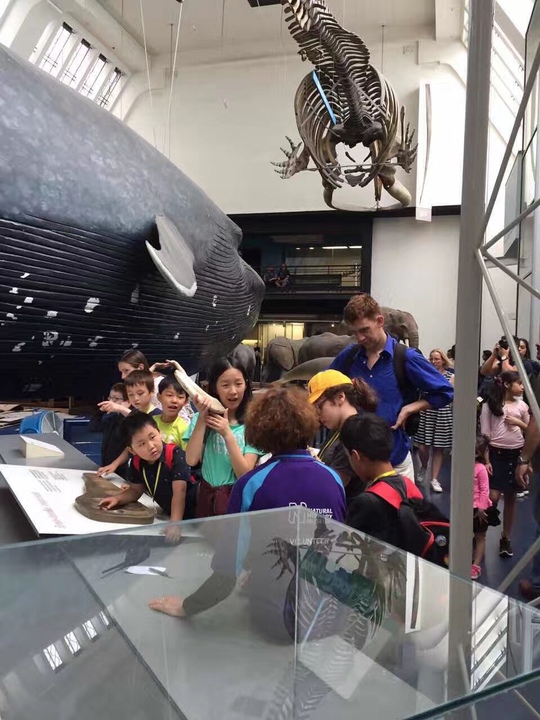
Last Friday, one of our wonderful tutors (Robert) led a small group of our students around the Natural History Museum. With his enthusiasm for his subjects and his engaging tour, the children all had a great day!

Robert says of his experience: “Last Friday I had the pleasure of taking a group to the Natural History Museum. After a walk through the gardens and a chat about the museum’s history, we headed inside to see the exhibitions and to discuss wildlife, biology, geography and more. It was a great chance for the children to have a break from homework and schoolwork, but still get out and learn a lot.”

We’re currently in the process of planning similar events for the Summer months. If there is anything in particular that you or your children would be interested in, please do get in touch with  via email or give us a call on 0208 133 6284, and we will be happy to try to arrange something!

Tutor Trip to the Natural History Museum
Inside the Natural History Museum
Browsing the Natural History Museum

Ten Questions/Ten Minutes: STEM Tutor Interview with Atul Rana

We are so proud of the wide variety of tutors we have working with us at Athena Tuition, so we are running a series of Ten Questions/Ten Minutes interviews with some of them to highlight their expertise. Our first tutor is Atul Rana, a highly experienced tutor of Maths and Science who is truly passionate about his subjects and we are delighted that he has shared some of his insights into tutoring and STEM. So, without further ado…


1. Atul, thank you for taking the time to talk to us at Athena! For those reading who aren’t familiar with you, please tell everyone a little about yourself. What did you do before tutoring?


My pleasure! I am a full time online maths and Science tutor. I did a degree and PhD in Mechanical Engineering from Imperial College London. As part of my degree I worked for Rolls Royce Plc for around 2 years in Diesel Engines, Steam Turbines and Electrical machinery. Later I worked in the city of London in a software design team for a company that does Economic modelling forecasts of metal prices.


2. What drew you to tutoring, and how long have you tutored for?


Going into tutoring was never part of a career plan, and 11 years on I am so glad I entered the world of tutoring by accident. When I finished my PhD I was in debt and a friend suggested tutoring, so I joined an agency and they gave me my first tutoring assignment. It turned out I was a natural tutor from day 1. After good feedback, the agency just got me more and more jobs. In the meantime I got a full time job in the city and no longer needed tutoring for income. I didn’t stop tutoring though, and I felt more alive tutoring for 2hrs in the evening than I did working as a corporate cog. I was respected and recognised by high profile clients, and I just kept getting more and more word of mouth work. So in 2009 I took a paycut of about a third, and committed myself to tutoring full time. The gamble paid off as I earn more than I ever did in any of my previous jobs.


3. What, for you, is the most rewarding aspect of being a tutor?


That lightbulb moment when a student finally cracks something is what I live for. You can’t put a price on that feeling. It’s so satisfying to help young people. I can honestly say tutoring never feels like work to me and all my friends know I can never stop talking about it.


4. And now for the other side… what do you find to be the most difficult thing about being a tutor?


Tutoring admin is certainly not glamorous. You are running a complex business that entails responding to enquiries swiftly, arranging tutoring diaries, writing feedback to parents, generating invoices, chasing some late payees and getting feedback from clients when the job ends. And then there is the tax return too. It is all part and parcel of being an independent business and the benefits far outweigh the costs. I’m looking to automate a lot of my admin through technology and have a great accountant now who helps keep my books and tax in order.


5. In the subjects you tutor, how do you try to get (or keep) students engaged?


I have a very practical, hands on and real element to tutoring both Science and maths. I always absolutely loved making and breaking things as a child and that inspired me to do Engineering. So making things relevant to students is always very important. I do practical demonstrations and also show videos to students. But perhaps the biggest thing that keeps students engaged is I creatively angle the lesson to the child’s hobbies and make the subject relevant to their lives. Maths is everywhere after all. I once tutored a 12 year old cricket mad student how to work out his strike rate in batting, which is basically a percentage. He kept working out his strike rate long after our lesson!


6. With exam season rapidly approaching, what one key revision tip are you always sure to pass on to your students?


Exam season is a great time to focus. One thing I always ask students to do is make a tally of the past papers they are doing and to keep their scores. As they do each past paper, and fix issues, the marks rise slowly but surely. Seeing that progress clearly and visually on a table is very satisfying, it lets students know exactly where they are and further motivates them to keep improving.


7. What are some of the lifelong benefits of studying STEM subjects?


STEM by its very nature exercises a logical and problem solving part of the brain. And as you get more confident with your subject you also have an inner sense of satisfaction. A good STEM degree opens doors in all areas in life, even if you are not going to go into STEM eventually.


8. As I’m sure you know, Science Week 2017 has just wrapped up for the year. What did you enjoy most about Science Week this year?


There were great Science events taking all over the country, the Royal Society in London and the Science Museum as well. Not only that but there are some great TV documentaries on the BBC that can be watched online, we really are spoilt for choice! There are two superb documentaries at the moment, one on BBC 2 about our food, and another one on the Physics of sound on BBC 4.


9. Can you give an idea of what sort of further study and employment opportunities are available for students pursuing STEM, and what routes they could take?


There is a shortage of Engineers in the UK at the moment, in all areas of technology in fact. We are in the middle of the digital revolution currently and technological innovation is going faster than ever. Beyond a shadow of doubt the biggest opportunity lies in the world of computing. New and young entrepreneurs like Mark Zuckenberg are changing the face of the world, and are such an inspiration to young people in general. But STEM can really take you into many routes, be that working as doctor, engineer, computer scientist to working in management or like me you could get into teaching. Besides just doing their jobs STEM professionals also have an altruistic nature, and are motivated by making things better in the world, be that things like doctors without borders or Engineers designing the newest green energy power plants.


10. And finally, there is a huge gender gap in STEM fields. What would you say to young girls who may not feel that these subjects are for them?


Only 9% of engineering and technology staff in the workplace are female so we have some way to go still. There are some incredible female role models for STEM and young girls can draw great inspiration from them. I would encourage girls to really look at the biographies of such women as Ada Lovelace, Marie Curie and Florence Nightingale. All truly inspiring women who challenged the stereotypes of their time and have paved the way for future generations. Nightingale is known for the nursing movement of course but little known is the fact that she was a meticulous statistician who was able to present data to politicians in clear, visual form and get the necessary funds for the reforms. Her ways of presenting graphs are now used widely and she was a true pioneer and polymath. Ada Lovelace was designing computer programs in the Victorian era and only now is her vision coming into reality. What great inner strength these women had to bring us these things we take for granted today.

World Book Day 2017: Celebrations and special book recommendations from our tutors

It’s finally here! One of our favourite days of the year at Athena Tuition; Thursday 2nd March 2017 is World Book Day (this year marks the 20th anniversary of WBD). The day is celebrated in over 100 countries across the world, and is set aside to celebrate reading, books, and child literacy. It has become a beloved fixture of the school calendar, encouraging children to be passionate about reading and be proud of the books that they treasure.

In schools up and down the UK today, students and teachers alike will be donning costumes and dressing as their favourite literary characters. This is not only good fun, but is also a wonderful way to allow children to align themselves with their favourite fictional characters and be somebody else for the day. For the shy child, World Book Day is their opportunity to become Hermione Granger or Bilbo Baggins, Matilda or Aslan. It’s a day that encourages creativity, confidence and passion. 

Not only do children dress up as their favourite fictional friends, but every child at school will be presented with a £1 book token. Working in collaboration with National Book Tokens, World Book Day will distribute over 15 million book tokens today. Children can then take their tokens to their local bookstores and swap it for one of this year’s ten £1 books or get £1 off any book of their choice! Further information about the book tokens and the wonderful selection of books on offer this year can be found here at the World Book Day website. Children who are educated at home don’t need to miss out either; if you get in touch with WBD and send them your address, contact name and the names of the children in your care WBD will ensure that they will receive their book tokens. Following the #WorldBookDay hashtags on Twitter and Instagram will also allow home-schooled children to stay engaged with the excitement of the day and watch all the photographs of this year’s costumes rolling in (perhaps for inspiration for next year)!

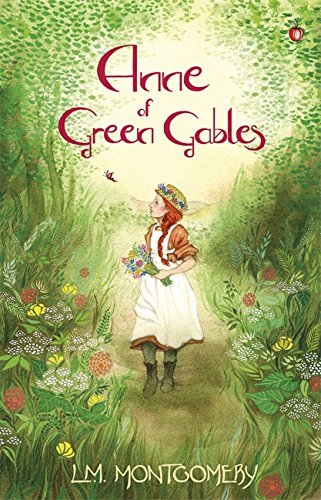
Whether your child – or you if you are getting involved too – will be dressing up as an Anne of Green Gables or a Horrid Henry, a Heidi or an Oliver Twist, we really do hope you have a wonderful day celebrating the exciting world of literature. We would love to see your World Book Day 2017 costumes or hear what you’ve been reading to celebrate! Do get in touch with us if you’d like your outfit to be featured on our blog!

Two of our lovely tutors have sent in these special recommendations in honour of book day, and discuss why they think it’s so important for children to engage with literature:

“One of my favourite books- which I come back again and again as an adult- is the Northern Lights by Phillip Pullman. We went on a lovely family holiday to Krakow when I was around 13 years old, which I remember very little of, as I walked around the salt mines with a copy in front of me the whole time.

Bruno Bettleheim (the Austrian child psychoanalyst) used fantasy and fairy tales to introduce children to difficult and challenging concepts, and Pullman does this in the most incredible, engaging way. I’d recommend this to a student who enjoys sweeping and challenging storylines, but also to students who find fantasy unrelatable or difficult to get on board with. Lyra is one of the most believable and real characters in children’s literature and she is an inspirational figure. I love her because in fighting the forces that oppress her she shows such bravery, nobility and strength- an example for everyone in standing up for what is right.

Reading is important for children for the exact reason expressed above- it introduces concepts through narration that allow children to work through the situations presented in the text and arrive at their own conclusions, often on a deeper level than they can yet express in class. This means that they have much more emotional maturity and are able to express themselves much more eloquently in comprehension and creative writing.” Johanna

“I would highly recommend the book, Regeneration, by Pat Barker. It is a fictional adaptation of events that took place in Craiglockhart War Hospital (Scotland) in 1917, a hospital in which famous war poets, Wilfred Owen and Siegfried Sassoon, received treatment for shellshock (what we now know as Post-traumatic Stress Disorder (PTSD). The plot focusses on the treatment of shellshock victims, both real and fictitious, under the care of army psychiatrist, Dr. William H. R. Rivers, including mute Billy Prior, who is only able to communicate by means of pencil and paper. The story also looks at Dr. Rivers’ personal journey and reaction to the then contemporary attitudes to PTSD and methods of treatment, some of which we would consider brutal today.

Dr. Rivers is employed to enable the soldiers under his care to be well enough to fight once more. However, the closer Rivers comes to helping his patients gain some form of psychological rejuvenation, the more tortuous his every decision to send them back to the front becomes. Pat Barker’s Regeneration is the classic exploration of how the traumas of war had devastating effects on a generation of young men, including soldiers, doctors and civilians.

I came across this book at fifteen years of age, and ten years later I believe that anyone aged fourteen and up who hasn’t read it, should. The book has a captivating plot, and those who read it will benefit greatly from pushing themselves to understand the complex emotional experiences that took place a century ago, and continue to occur in those who have been involved in any sort of deep psychological trauma today. In addition, it is worth knowing something about the psychology of the authors behind such poems as, Dulce et decorum est…, Anthem for Doomed Youth, Suicide in the Trenches and Does It Matter?, which becomes clear in this heart-wrenching yet enlightening tale of woe and war.

I defy anyone who reads the novel not to come away with an increased sensitivity and understanding of the survivors and victims of mental illness (which bears much relevance in today’s society), as well as a more enhanced sense of being and interest in English history and culture.” Charity Mapletoft

Image Source: World Book Day website

Agencies Working Together

Agencies Working Together

Private tuition is a huge industry and one that is rapidly growing as parents seek to provide additional support to their children through private tutors. In research conducted by EdPlace, it was found that UK parents spend £6 billion every year on private tuition. In addition, with advances in technology, many tuition agencies are seeing growing demand from parents outside the UK for private tuition through an online learning platform.

Whether it’s out-of-town tuition centres or a tuition agency, there is no doubt that the number of providers of tuition has increased substantially over the past few years. With a fragmented market and new agencies popping up every day, it makes business sense for agencies to work together and collaborate.

The Law Tutors and Athena Tuition have been working together for a nearly a year and both agencies now have a strong working relationship based on trust and mutual respect.

With The Law Tutors being a completely specialised agency with a focus solely on law, there is often the need to refer work to another agency. Shiv Raja, Director of The Law Tutors, says:

“We are often asked by parents of a client we are tutoring about whether we can recommend tutors for non-law subjects. As our agency is completely specialised and focused solely on law, it means that we go out to our partners. We often refer work to Athena Tuition and parents have told me that they have been impressed by how quickly the team at Athena responds to requests.”

One of the biggest challenges that any agency can have has is finding reliable tutors in a broad range of different subjects so working together with other agencies is not only a great way to utilise a wider tutor pool but it also provides an excellent support structure so that agencies can discuss and debate ideas with each other so that both agencies can benefit.

A recent example of where Athena Tuition and The Law Tutors worked together is in relation to sourcing a law tutor for intellectual property law. The Law Tutors had a number of different intellectual property law tutors so worked with Athena Tuition to provide their client with a tutor.

Wesley Sanders, Education and Marketing Director at Athena Tuition, is a strong believer in working together:

“We’ve worked with The Law Tutors for a number of months now and we share the same ideas in a lot of different areas. We’ve referred work to each other’s agencies and this has meant a seamless and faster service for our respective clients. What matters to a parent or student is getting the right tutor at the right time, but for Athena and The Law Tutors there’s an opportunity to benefit from each others specialism to save time, and ultimately provide a better end service to our clients.”

Sharing ideas can be mutually beneficial and if one agency has experienced something, it is likely that other agencies have been through something similar. Whether it’s discussing best practice for recruitment or coming up with an innovative way to improve the delivery of lessons, it’s always good to talk!

Athena Tuition and Audiopi : Free Podcasts!

Athena Tuition and Audiopi
Our collaboration with Audiopi!

Here at Athena we’re proud to announce that we’ve begun working with Audiopi– an exciting new provider of learning podcasts- to provide their service to our tutors and students completely free!

Please email wesley@athenatuition.co.uk to get started using these podcasts for yourself or your students completely free!

Over to Audio Pi themselves to explain more about what they do:

——————————————————————————-

Audiopi

So what is Audiopi? In a nutshell, we create high quality educational podcasts for GCSE and A-level students. All our material is written by top teachers, leading academics and chief examiners and are tailored to specific exam boards so students know they are listening to exactly what they need for their exams. Our mission is to inform, stimulate and inspire students and of course, boost their exam performance.

The Power of Audio: Supporting Students

Audio is a vital part of how we absorb and process information. Widespread research has shown that listening is a particularly crucial part of learning, and an effective means of improving knowledge retention*. This is because when you listen to something, rather than read or watch it, your brain has to work harder and invokes a more complex process mechanism: it has to digest the information and create it’s own images. As a result, the information is stored more deeply. Cool, huh?

To enforce this idea, each of our tutorials is packed with music, sound effects and original recordings to help reinforce the learning and engage students. They are delivered in easily digestible 10 minute lessons and this is all available on your smartphone, tablet or computer so students can listen whenever, wherever they choose.

Our podcasts are written by teachers, academics and examiners across a myriad of leading institutions.

* “Delivery of verbal (audio) information improves learning capacity.” (Mayer and Moreno 2003)

Supporting tutors

With one of our team coming from a tutoring background, we appreciate that tutors are extremely busy and so we want to help you with the load. Not only can our pods provide quick refreshers of the course content for tutors, but we’ve found that they act as a great support to the lessons and teaching already given by tutors:

  • Lesson preparation – Our podcasts are a quick and easy way for students to get up to speed with the course content. Giving them a pod before a lesson frees up more time for tutors to focus on essay technique and exam preparation.
  • Homework – We are a natural for setting homework. After a lesson students can listen to a pod and embed the knowledge they’ve just learned.
  • Revision – The breakdown of the content, set out in detail on the Audiopi platform, means students can quickly pin point what they need to refresh their memory. And all our modules offer exam guidance.

—————————————

Working with Athena: Free Access to our Resources!

We’ve teamed up with Athena Tuition to offer our wealth of resources to you and your students completely free! We want to make a difference to the education process and help students achieve even more in their exams.

https://www.audiopi.co.uk/subjects/history/a-level/ocr/french-revolution-and-rule-of-napoleon-1774-1815

https://www.audiopi.co.uk/subjects/english-literature/gcse/ocr/dna-dennis-kelly
Have a listen to some of our taster resources using the links above. We welcome feedback and questions, so don’t hesitate to get in touch! Email alex@audiopi.co.uk for any queries or comments.

‘Teaching Outside the Classroom’: Reflecting On Our First Conference in Edinburgh

As many of you will already know, Athena Edinburgh ran a conference on Saturday 4th June titled ‘Teaching Outside the Classroom’, which was held in the beautiful Surgeons’ Hall on Nicolson Street. First and foremost, we would like to take this opportunity to thank all of our speakers and our fantastic attendees. It was a real honour for us, as a company and as individuals, to be able to put this day together and to spend some time with other like-minded individuals and to expand our understanding of what the future of tuition looks like.

Upcoming Edinburgh Conference

On Saturday 4th June, Athena Tuition is excited to be hosting a conference in Edinburgh called Teaching Outside the Classroom.

Held in the Surgeons’ Hall, in the centre of Edinburgh, on Saturday 4th June, from 1pm to 5pm, Tickets cost £7. Tickets may be booked here.

This event is for all those interested in tutoring and teaching- not just our own tutors, but those working for other companies, and even those who have no experience at all and are looking to get into the field. Given the speed with which the private tuition market is growing, it is vital that tutors in Edinburgh get the best possible preparation, and be kept abreast of the latest innovations in the field.